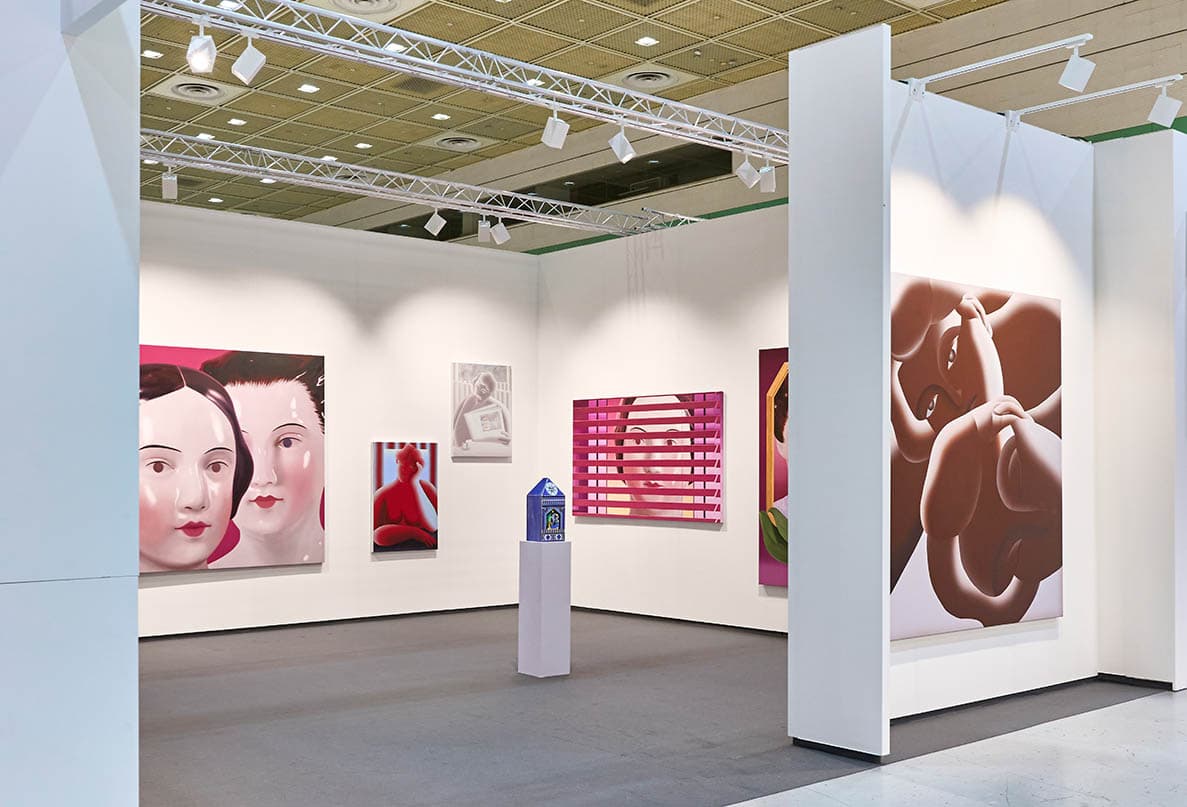
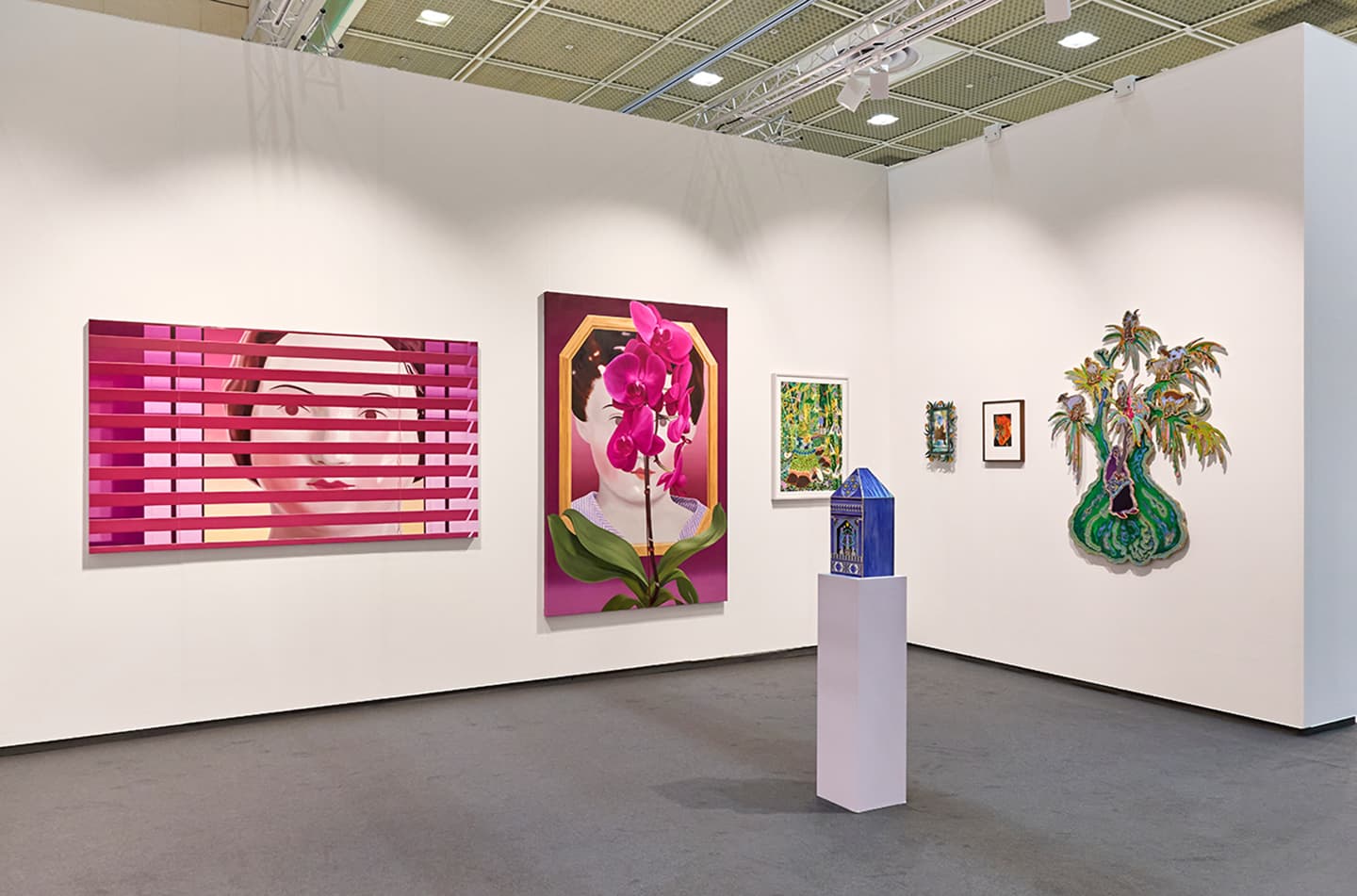
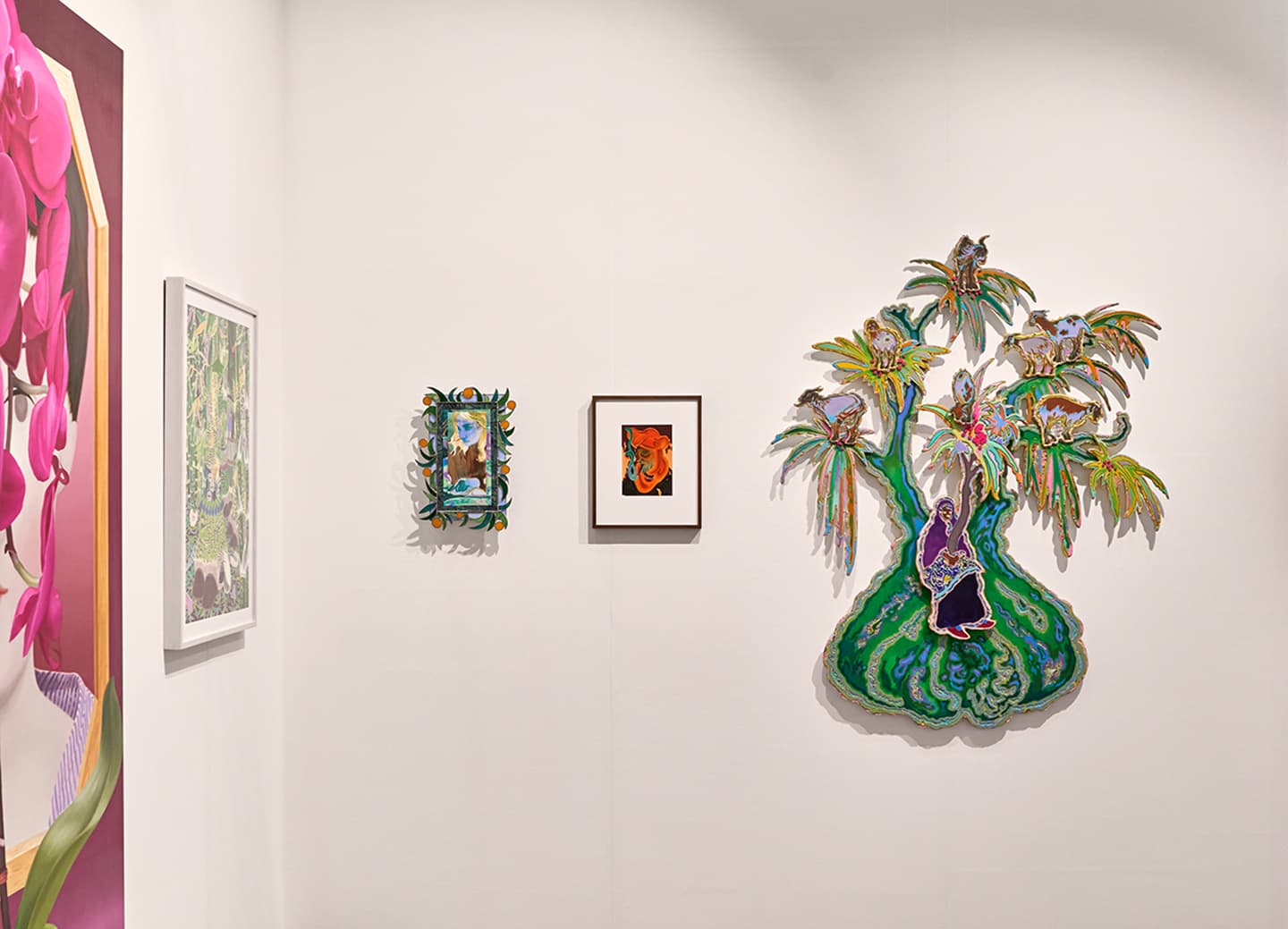
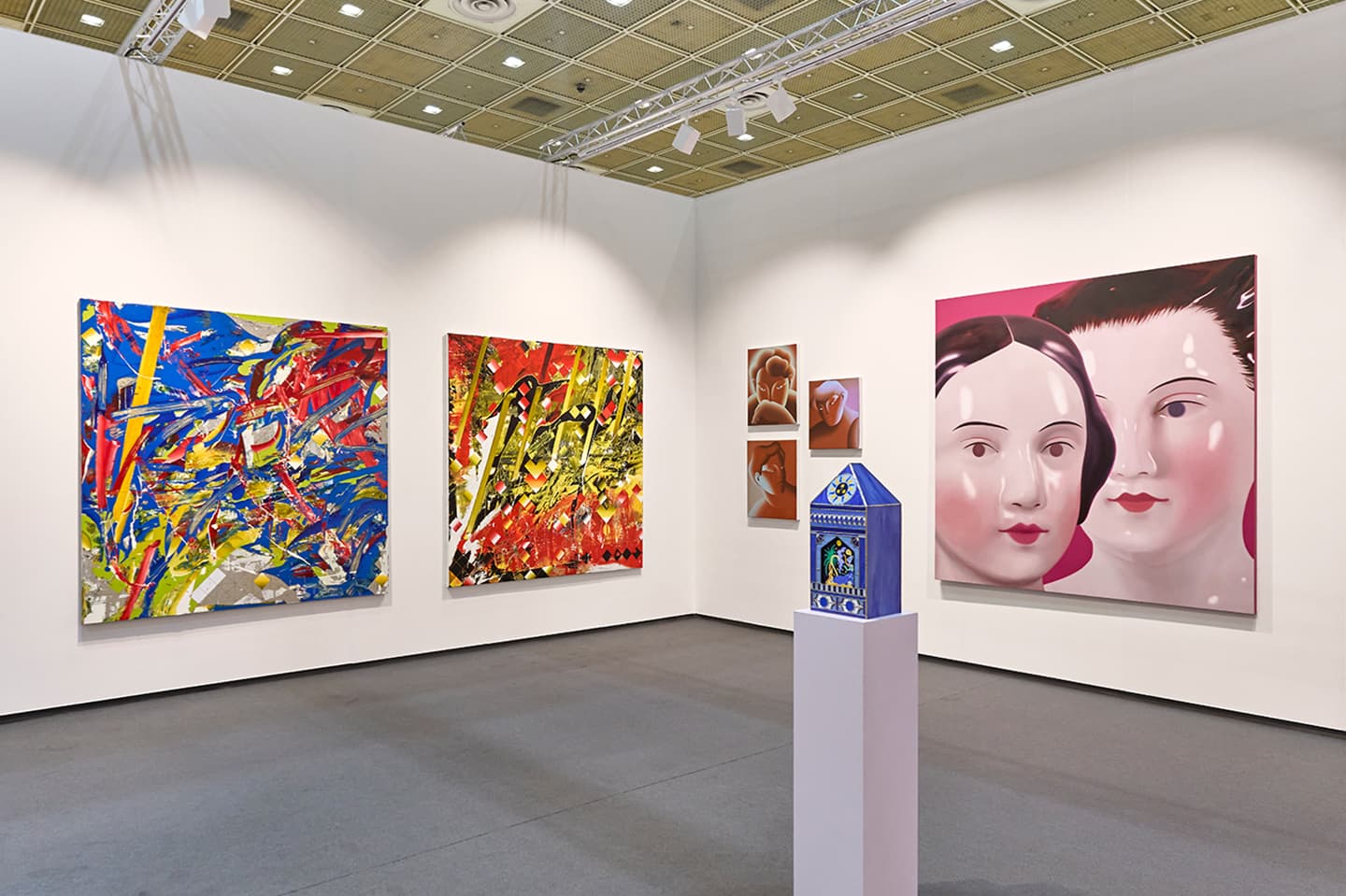
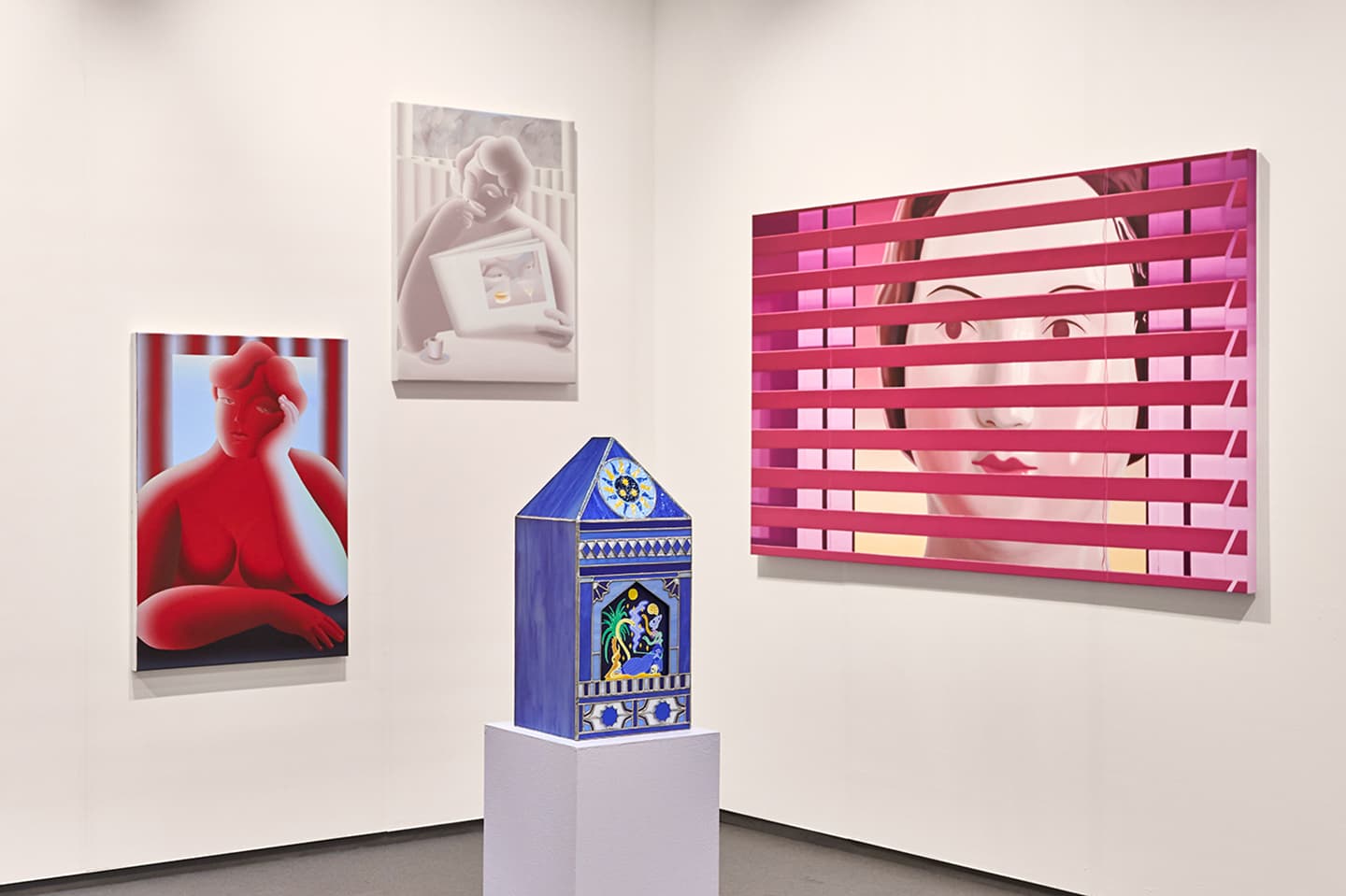
Installation views of FRIEZE Seoul, COEX
Credit
Curated by ThisWeekendRoom
Supported by the Ministry of Culture, Sports and Tourism, Korea Arts Management Service
Frame | Soho, Hongik Furniture
Photographs|Choi Chul lim
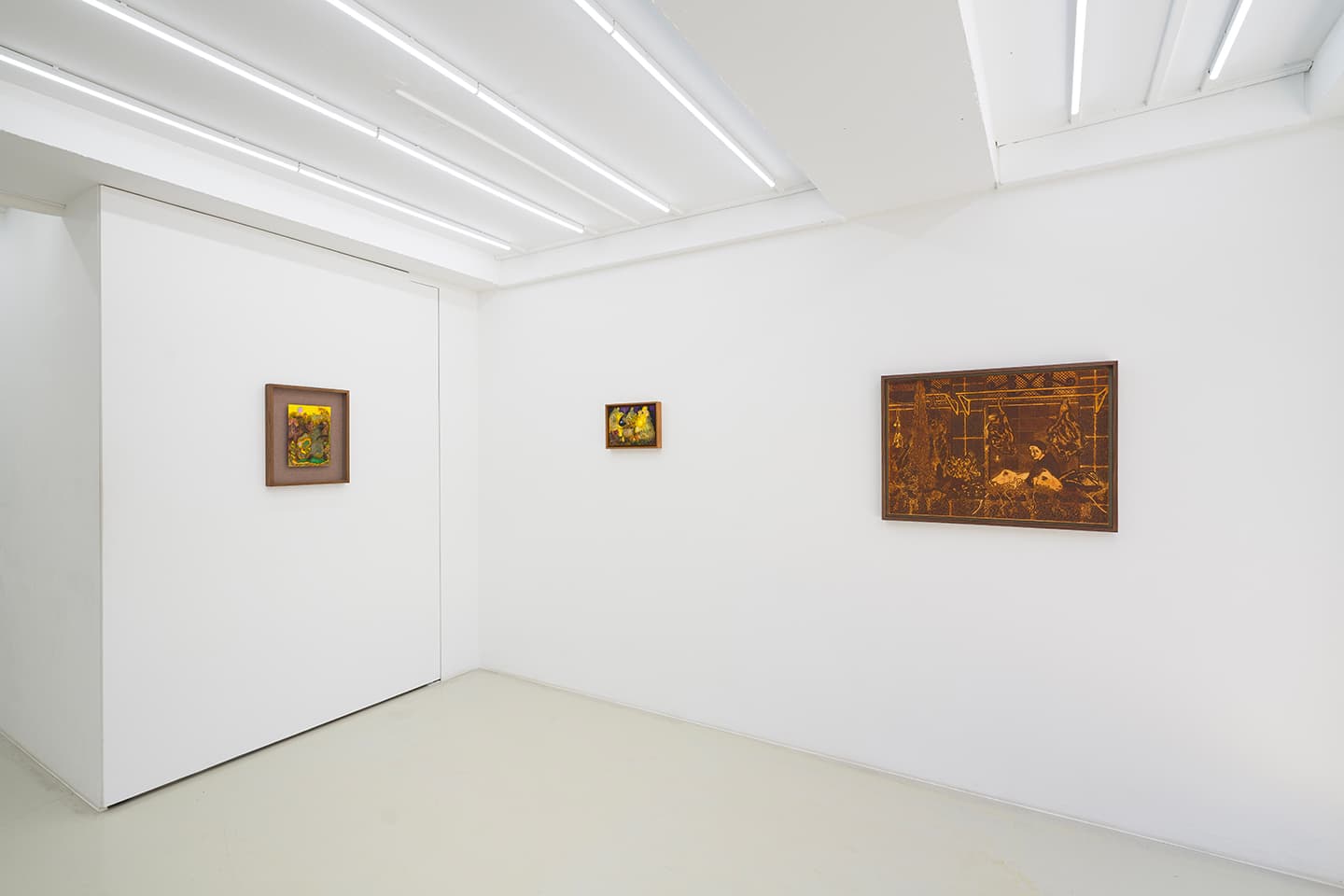
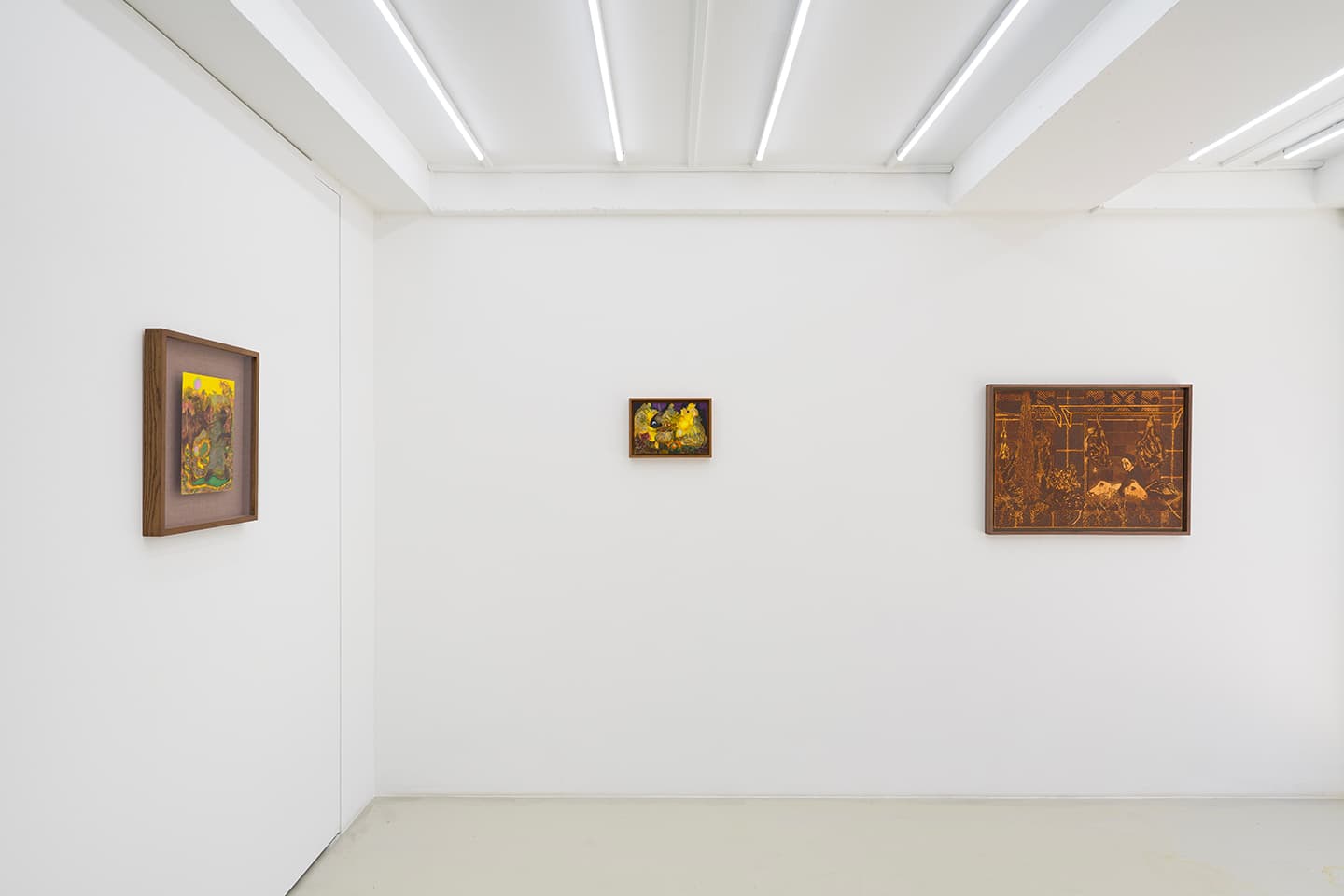
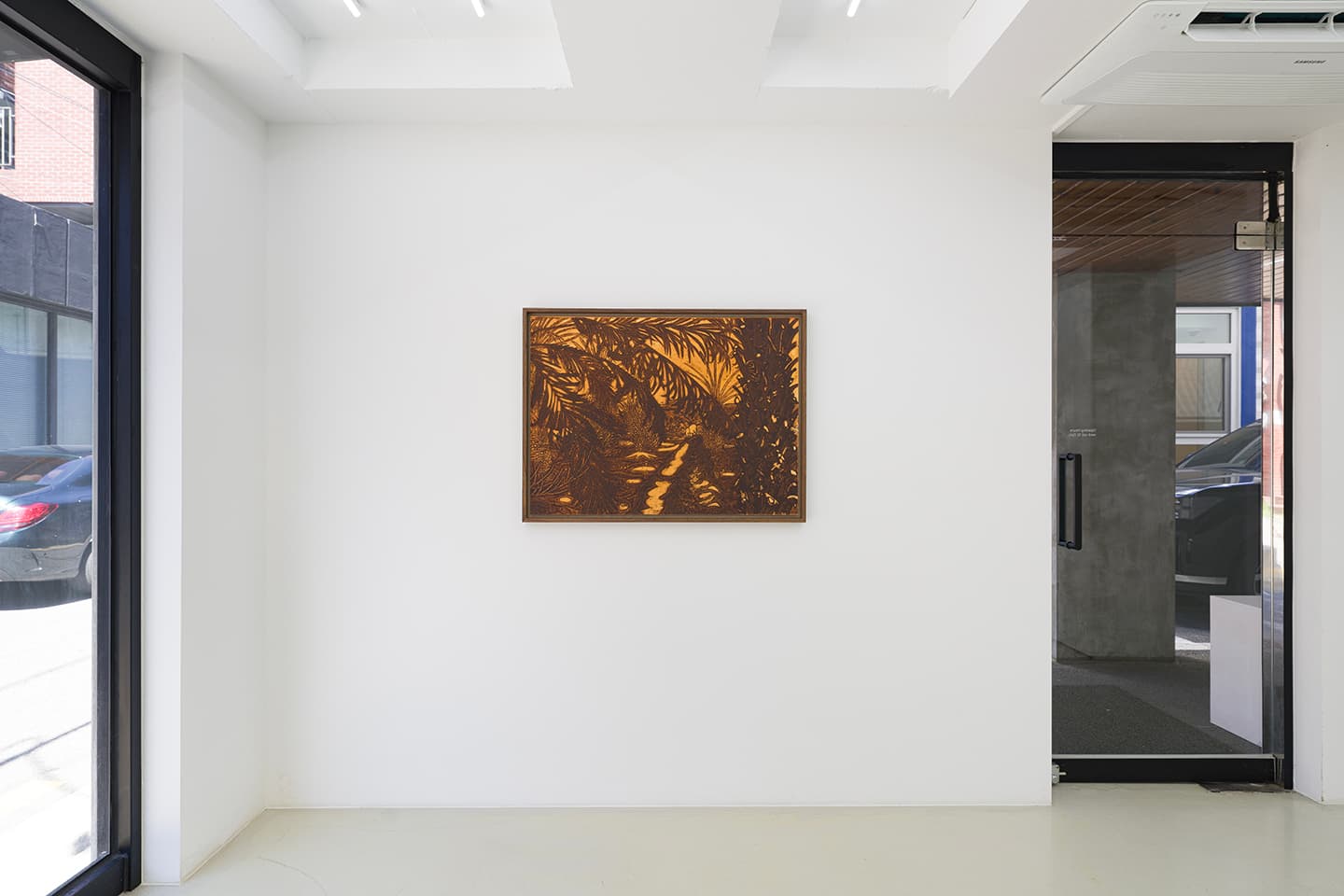
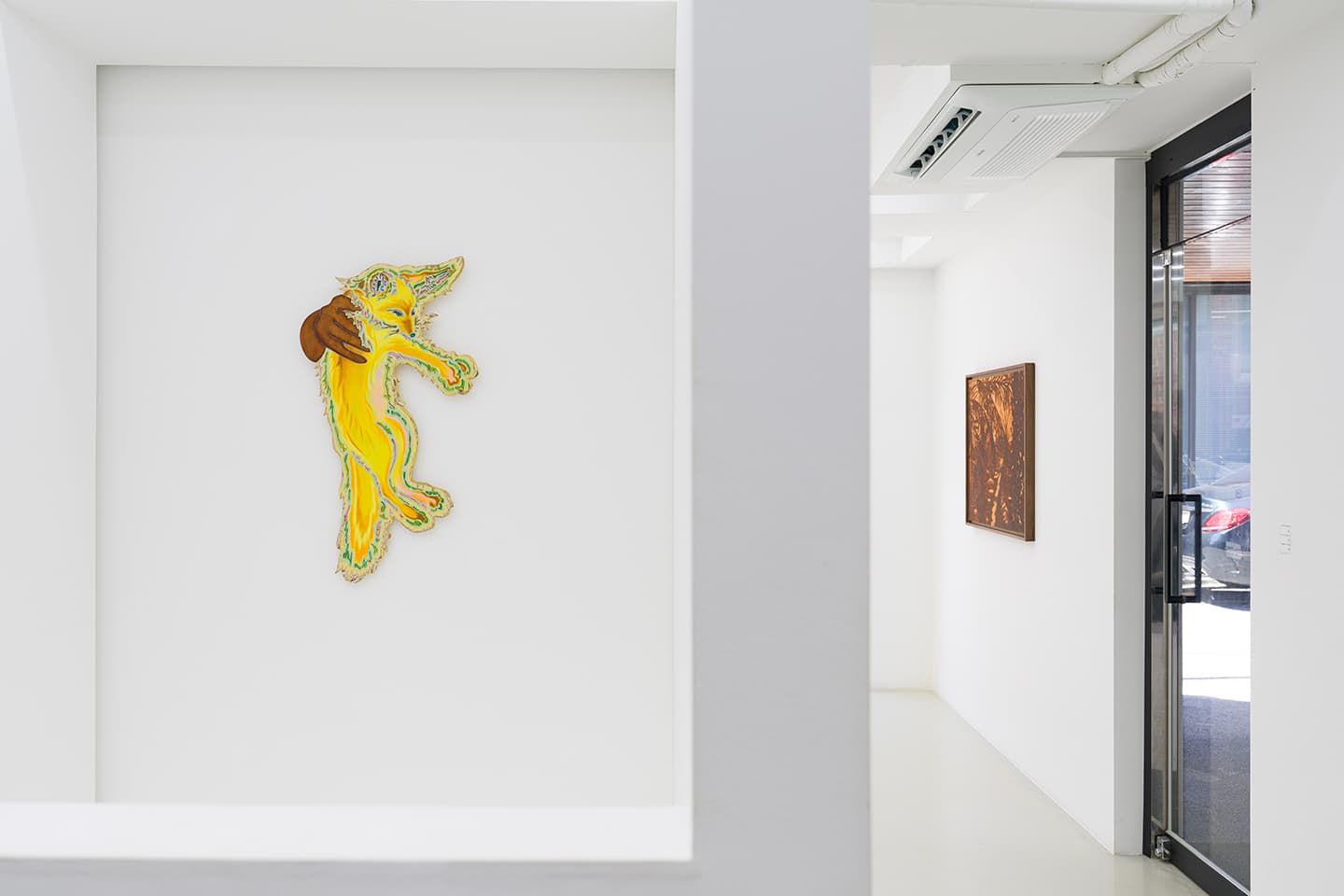
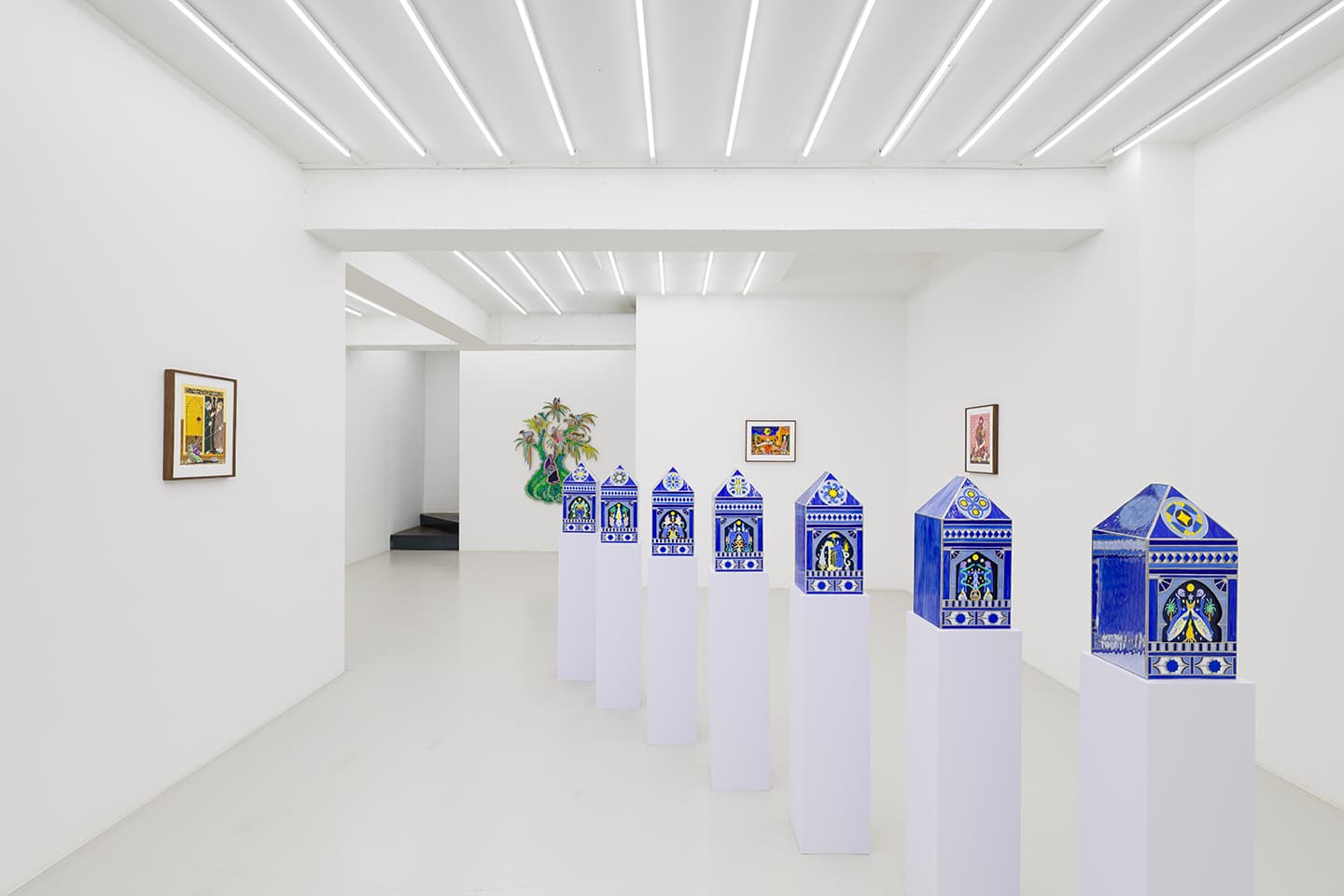
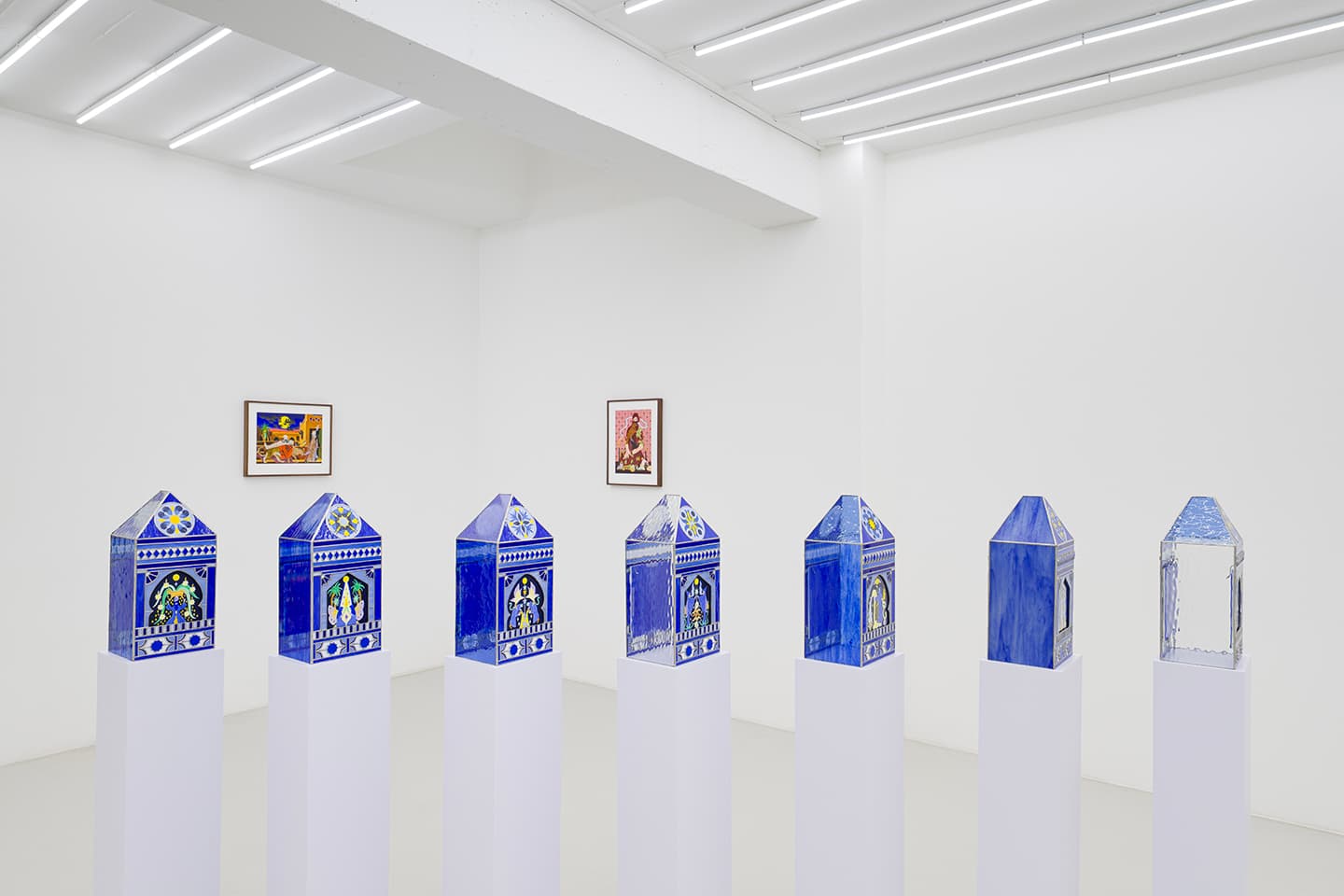
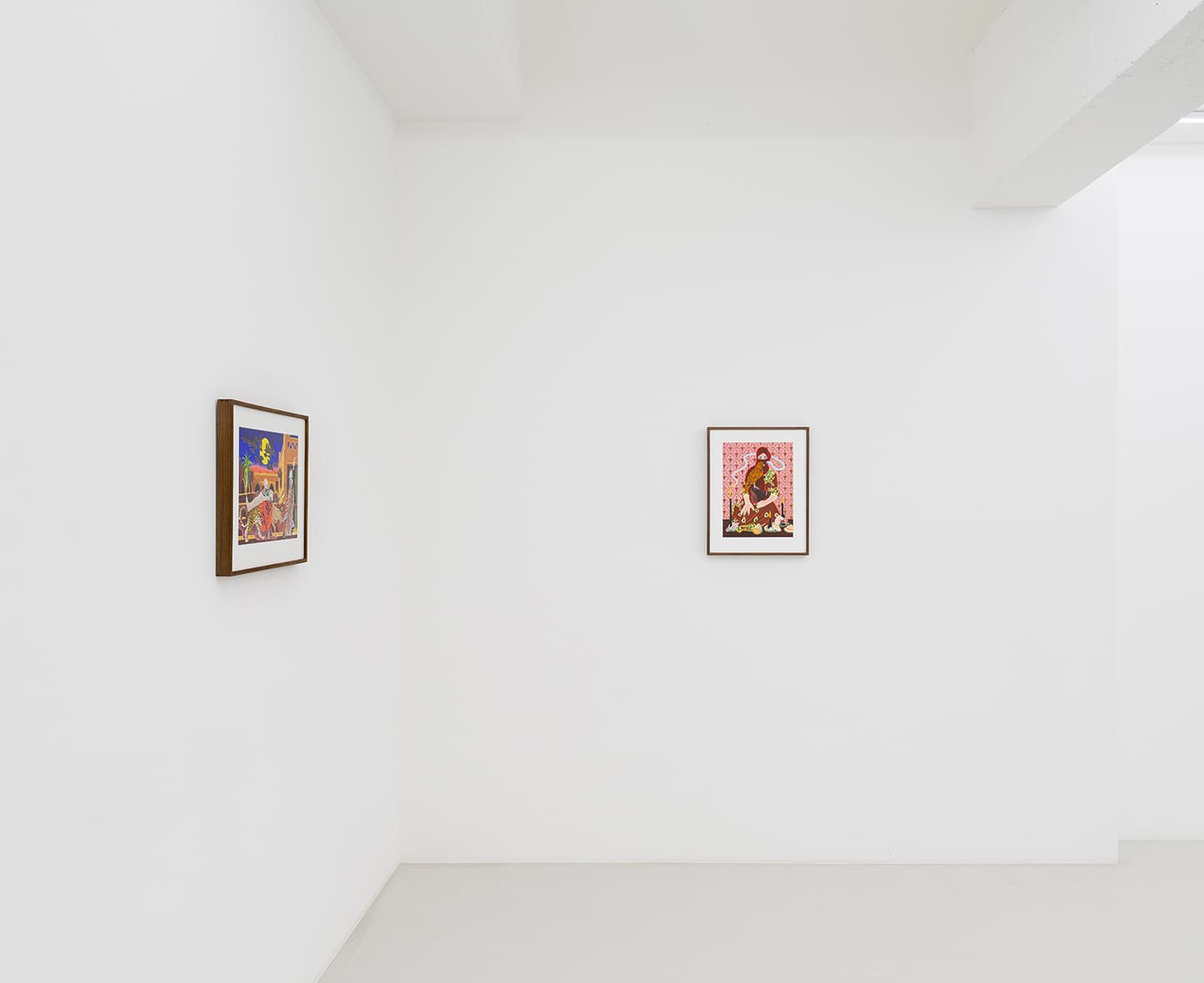
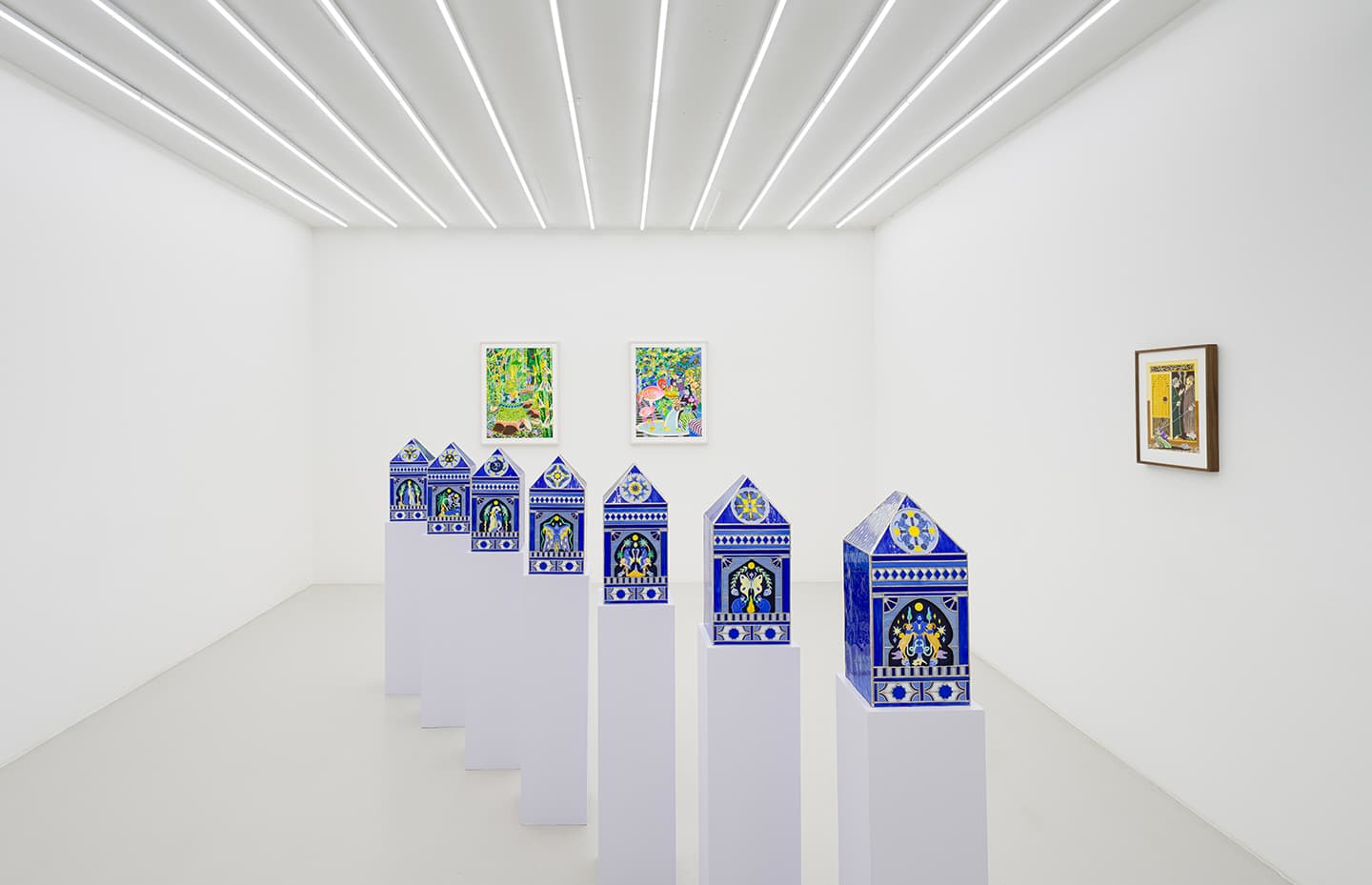
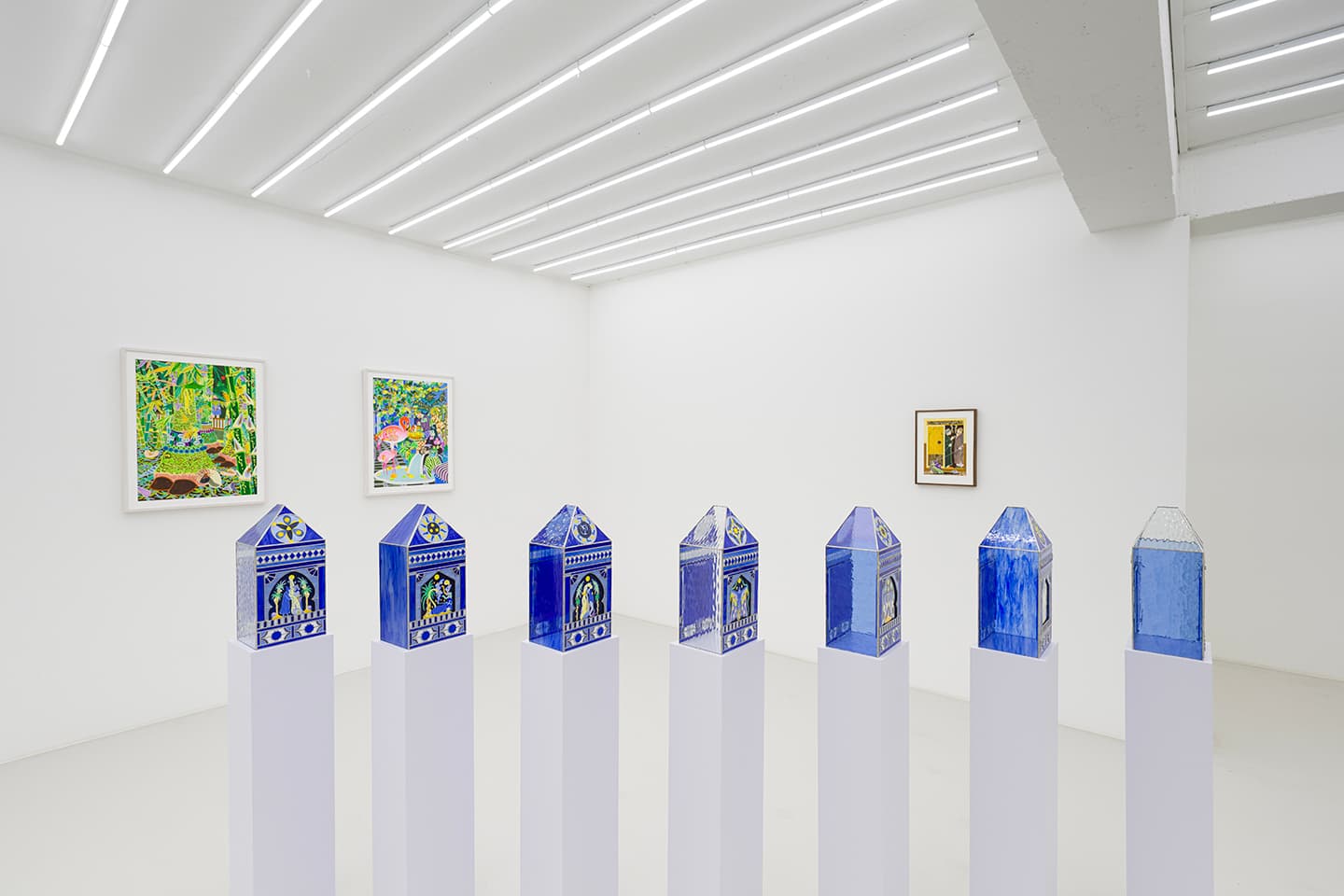
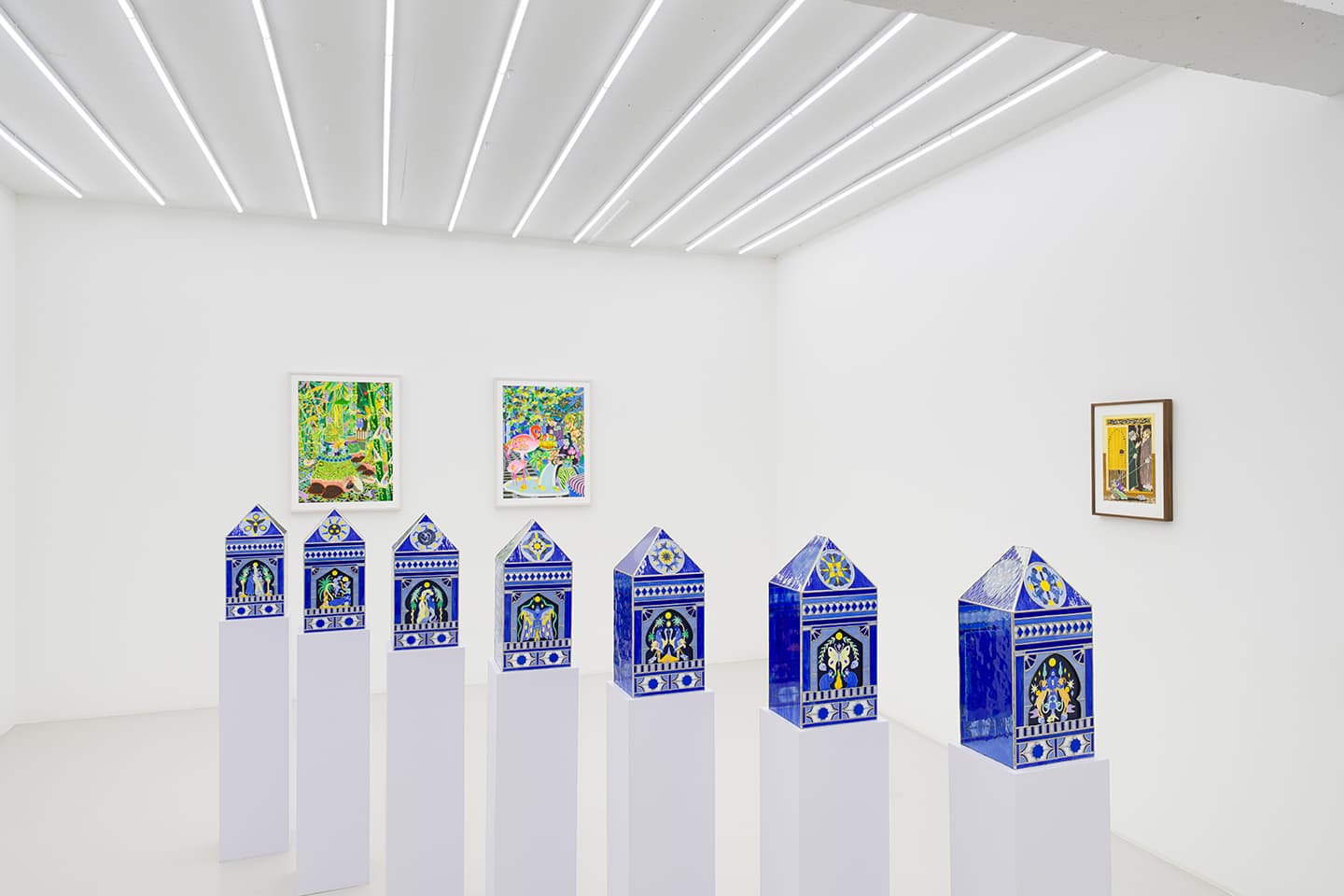
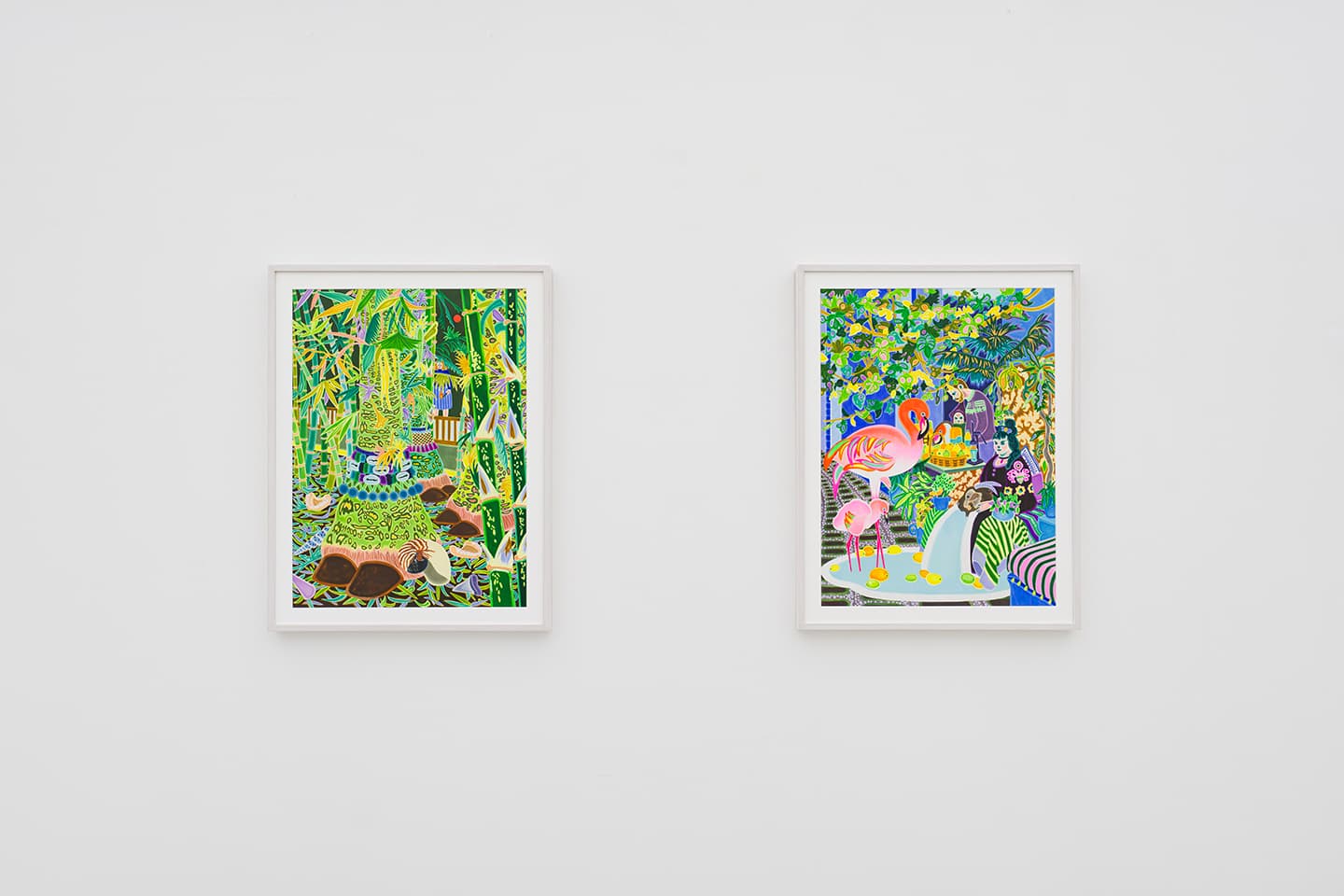
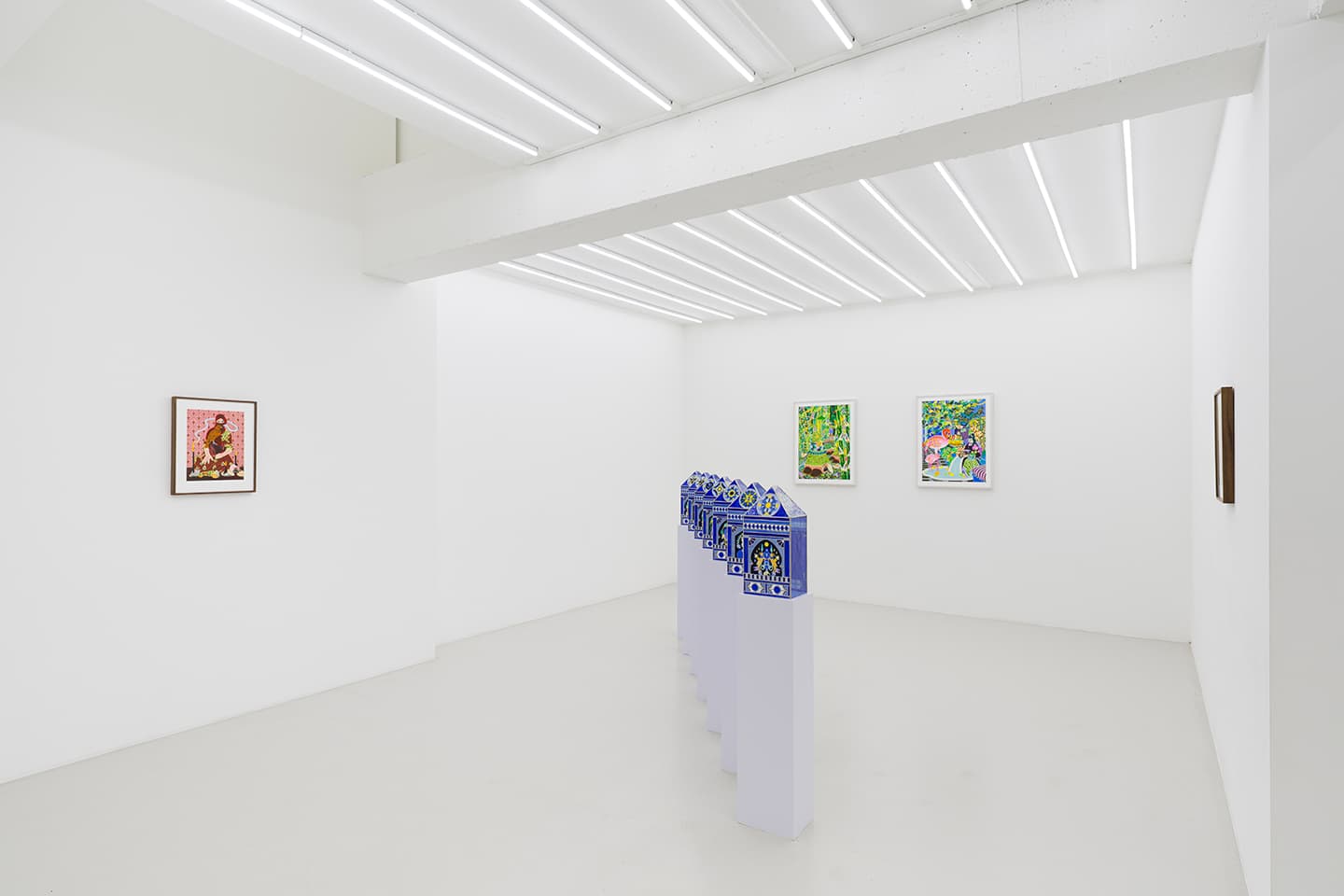
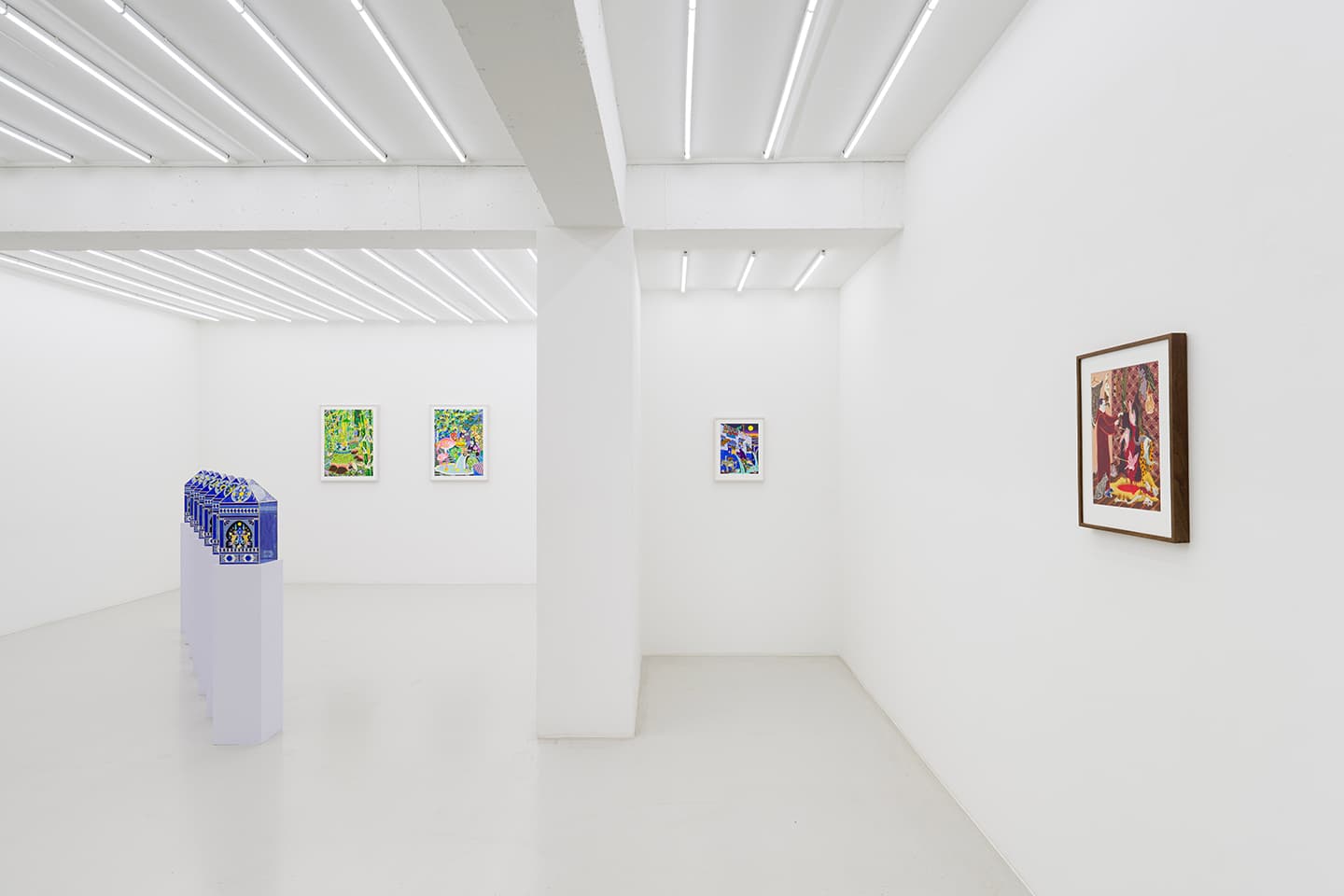
Exhibition view of Everything Returns To Desert, ThisWeekendRoom
Credit
Curated by ThisWeekendRoom
ArtistㅣShinyoung Park
TextㅣYoojin Lee
PhotographsㅣJungkyun Goh
Technical Supporters
Printmaking | Gonggan 630
Stained Glass | Decoratif
Glass Painting | Atelier Potterian
Frame | Yoorim Kim, Soho
Woodwork | Hongik Furniture
Storage | The Print, Bysam Design
Walking across the sands of the Sahara Desert, I came upon the bodies of two camels lying opposite each other like fortresses. Looking at them, he said they had probably fought to death. Under the blazing sun, I gazed at the bones, bleached white and glistening in the sand, and picked up a fragment, telling him I wished to keep it. He looked slightly uneasy, but allowed me to take it. Back at the lodge, holding the bone, I reflected on the strange tension between the fear of witnessing death and the desire to possess a beautiful form.Then it struck me, perhaps I had violated some implicit order. After much hesitation, I returned the bone to him the next day. Smiling, he said, “A good decision. I’ll return this bone to its place. Everything is born of the desert and returns to the desert.”
– from the artist note
Memory is at once selective and beyond our control. It settles deep beneath consciousness, surfacing without warning, indifferent to intention. In fact, memory is nothing more than a partial collection of responses to countless stimuli. Yet when these fleeting waves break through once more, they are reshaped by the subject’s thought and perception, emerging into language or form that renders them tangible.
Shinyoung Park reconstructs the sociocultural characteristics of unfamiliar environments encountered while traveling across different regions into subjective records. Her work often explores the boundaries between humans and animals, civilization and nature, reality and imagination—inviting viewers to reconsider events unfolding beyond the spatiotemporal positions they inhabit. Fragments collected from various places are recorded through printmaking, drawing, and sculptural works using materials such as paper, wood, and stained glass. This exhibition draws on the artist’s past journey to Morocco, examining the lingering residues of memories and emotions she had long been unable to process. The traces filtered through this process of digestion are visualized according to her own formal principles, revealing how they operate in her present and future experience beyond mere recollection.
Morocco, with its vast geography spanning the Sahara Desert, the Atlas Mountains, and the Mediterranean and Atlantic coasts, bears a unique identity shaped by the convergence of Arab, African, and European elements. It remains a land where traditional rituals persist, where pastoral and agricultural life still form the basis of survival, and where echoes of origin endure. For the artist, visiting such places meant confronting humanity’s current condition, one that continuously refines, suppresses, and replaces its past. These experiences became a lens through which she could question the limits of simultaneous perception, reflect on the laws of nature, and speculate on the ideological strata that connect what has been with what is yet to come. In this sense, the anecdote of the camels encountered in the Sahara speaks to the origins and cycles of life, to struggle, reversal, and domestication.
The cat with an eye infection, the monkey in a dress, the hawk and snake bound by rope, and the caged fennec fox are figures the artist encountered during her travels. They stirred memories of her childhood – seals in a zoo, or brightly dyed chicks sold near school gates. These emotional disturbances did not easily dissipate but continued to connect with her personal memories. The images of humans and animals, sometimes in conflict and sometimes in harmony, are the results of a process in which memory’s sedimentary layers are retrieved and translated through the artist’s hand. In addition, works such as the carborundum print(Toil of Light And Sand, Flesh and Breath), inspired by the colors of leather from the traditional tanneries in Fez, and the sculpture(The Shelters), modeled after the architectural forms of Chefchaouen, the “Blue City,” are reappeared in ways that closely resemble real images.
At the same time, Park continues to probe materials and motifs that are ethically obscured or excluded, reflecting on the opacity of fate and the implicit orders it sustains. Her practice does not seek to offer nostalgia or homage but to extract, through transformation, something from nature that seems otherwise unattainable. In summoning the senses dulled by modern civilization and silenced by scientific explanation, she points toward a state of perception that is both primal and ahead of itself. In early cultures, aggression and protection defined the terms of relation between human and animal, and it is this posture, primitive yet prescient, that she seeks to capture between subject and object. Thus, within the desert that holds the journeys of countless lives, she chooses to leave what has returned to sand undisturbed.
TextㅣYoojin Lee (Curator, ThisWeekendRoom)